Garden maintenance for homes near Elthorne Park Hanwell
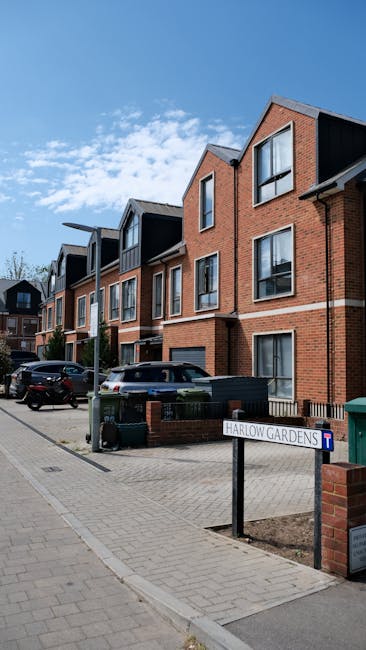
If you live near Elthorne Park in Hanwell, you already know the garden can feel like a second living room in spring and summer, then a bit of a project by autumn. Garden maintenance for homes near Elthorne Park Hanwell is really about keeping that space healthy, tidy, and usable without letting small jobs snowball into a weekend-eating mess. A little regular care goes a long way. Truth be told, most gardens do not need dramatic intervention; they need attention at the right time, in the right order.
This guide walks through what good maintenance looks like locally, how it works, when to bring in help, and how to avoid the common mistakes that leave gardens looking flat, patchy, or simply overgrown. You will also find a practical checklist, a comparison of maintenance approaches, and a realistic example from a typical Hanwell home. Not flashy. Just useful.
- Why it matters
- How it works
- Key benefits
- Who needs this and when it makes sense
- Step-by-step guidance
- Expert tips for better results
- Common mistakes to avoid
- Tools, resources and recommendations
- Law, compliance, standards, or best practice
- Options, methods, or comparison table
- Case study or real-world example
- Practical checklist
- Conclusion
- Frequently asked questions
Why Garden maintenance for homes near Elthorne Park Hanwell Matters
Gardens near Elthorne Park tend to deal with the usual London mix: changeable weather, compact plots, shade from mature trees in some streets, and busy homeowners who do not always have a free Saturday to spare. That combination can make a garden look untidy faster than you expect. A lawn that looked fine two weeks ago can suddenly turn thin at the edges. Hedges that felt manageable can start blocking light. And once weeds settle into beds or paving joints, they rarely leave politely.
Regular garden maintenance matters because it protects the structure of the garden, not just its appearance. A neat lawn is nice, yes, but it is the groundwork underneath that keeps things going: soil care, pruning at the right time, edging, clearing leaves before they rot, and dealing with small drainage or access issues before they become annoying. Around Hanwell, where homes often balance front garden presentation with back garden practicality, that steady upkeep makes day-to-day life easier.
There is also a very simple human reason. A maintained garden gets used. You sit out longer. Children play more safely. The space feels part of the home again rather than a separate job that keeps waiting for you. That is usually the real win.
How Garden maintenance for homes near Elthorne Park Hanwell Works
Good garden maintenance is usually a mix of routine tasks and seasonal work. It is not just mowing, and it is not just tidying. The best results come from understanding what the garden needs right now and what should wait.
For a typical home near Elthorne Park, a maintenance visit may include some or all of the following:
- lawn mowing and edging
- weeding borders, paths, and gravel areas
- hedge trimming and light shaping
- deadheading and cutting back spent growth
- leaf clearance and general tidy-up
- pruning shrubs, climbers, and small trees where appropriate
- patio sweeping or light surface cleaning
- checking for signs of pests, disease, or waterlogging
In practice, the work is often planned around the season. Spring is about recovery and growth. Summer is about keeping pace with everything. Autumn is about clearing, protecting, and preparing. Winter is quieter, but it is not a complete pause. Some jobs, like structural pruning or basic tidy-ups, still matter then.
If you are booking professional help, a good provider will usually look at the whole outdoor space rather than treating it like a single task. That may involve garden maintenance alongside lawn care, hedge trimming, or even patio cleaning where hard landscaping is part of the picture. The aim is coherence, not just speed.
Key Benefits and Practical Advantages
A well-kept garden brings more than visual appeal. It quietly improves how the whole property feels and functions.
- Better curb appeal: Front gardens near Elthorne Park can shape first impressions fast, especially where pathways and hedges frame the house.
- Healthier plants and lawns: Routine care reduces stress on grass, shrubs, and beds, so they are less likely to decline all at once.
- Less expensive catch-up work: Small, regular jobs usually cost less than major recovery work after months of neglect.
- Safer access: Clear paths, cut back growth, and managed surfaces help reduce slips, trips, and awkward access.
- More usable outdoor space: You actually get to enjoy the garden, not just look at it through the kitchen window.
There is also a practical benefit many people overlook: maintenance helps you spot developing issues early. A patch of yellowing lawn, a hedge that is suddenly sparse in one section, or a pile of damp leaves near a fence line can all hint at a bigger problem. Catching these things early is often the difference between a tidy seasonal job and a full-scale restoration.
And if your outdoor space includes fencing or timber features, maintenance can help preserve them too. A bit of regular attention around the perimeter often makes the whole garden feel more settled. For some properties, support from fencing services or decking services becomes part of the maintenance plan rather than a separate project. That is perfectly normal.
Who This Is For and When It Makes Sense
Garden maintenance is not just for people with large plots or expensive planting schemes. In fact, smaller gardens often need more regular care because there is less room for growth to go unnoticed. Near Elthorne Park, it makes sense for a wide range of homes:
- busy homeowners who want the garden presentable without spending every weekend on it
- families who need safe, usable outdoor space
- older residents who prefer light ongoing care rather than heavy seasonal work
- landlords keeping a property neat between tenancies
- new homeowners trying to get an untidy garden under control
- households preparing for an event, sale, or letting photographs
It also makes sense when the garden has started to drift from tidy into awkward. You know the feeling: the lawn is technically still a lawn, but only just; the hedge has a bit of a rebellious streak; the back corner has become a storage zone for forgotten pots and windblown leaves. Happens to the best of us.
If you are looking at a one-off reset rather than routine care, a more intensive garden clearance may be the better starting point. After that, maintenance becomes much easier because you are working from a clean base. That is often the smart move, especially if the space has been left alone for a while.
Step-by-Step Guidance
If you want a garden that stays manageable, the trick is to work in sequence. Not everything at once, not everything at random.
- Walk the garden properly. Look for overgrown areas, weeds, damaged planting, blocked drains, patchy turf, and anything unsafe or awkward to access.
- Clear obvious debris first. Remove fallen leaves, broken stems, old pots, and clutter before trimming or mowing. Otherwise you just chop around the mess. Not ideal.
- Cut back growth with a plan. Start with hedges, shrubs, and edges that affect access or light. Avoid overcutting because plants need enough leaf area to recover.
- Bring the lawn back into shape. Mow at a suitable height, tidy the edges, and lift compacted thatch or moss where necessary. If the lawn is weak, go gently.
- Weed and refresh beds. Remove annual weeds before they seed. Lightly mulch or top-dress where appropriate to help the soil hold moisture and suppress new weeds.
- Check hard surfaces and structures. Sweep patios, inspect fence lines, and look for loose slabs, worn joints, or slippery areas.
- Finish with a final tidy. Collect arisings, stack green waste neatly, and make sure paths, gates, and bins are left easy to use.
That sequence sounds basic, and that is exactly why it works. There is a kind of quiet satisfaction in doing things in the right order. You feel it halfway through, usually when the garden starts to look lighter and calmer.
For homes with seasonal tree growth or heavier canopy cover, it may also be sensible to schedule tree surgery or tree lopping and removal where needed. This is not about turning every garden into a perfect showpiece. It is about keeping the site healthy, safe, and proportionate to the size of the home.
Expert Tips for Better Results
Here is the part people often skip: maintenance is easier when you work with the garden's rhythm rather than against it.
- Trim little and often: Regular light pruning usually gives a better shape than one dramatic cut after months of growth.
- Keep lawn edges crisp: Edging makes an ordinary garden look noticeably more cared for. It is a small job with outsized impact.
- Watch the shade: Around mature trees or taller buildings, grass may need different treatment because it dries differently and grows more slowly.
- Do not overclean everything: A garden is not a showroom. Some leaf litter and planting softness can be useful, especially for wildlife and soil health.
- Use the weather: After a dry spell, it is often easier to prune and clear. After heavy rain, focus on drainage, slippery areas, and damage checks.
One practical point: if you are managing a front and back garden together, try to prioritise visibility and access first. The side path, the front steps, the gate latch, the bin route - those everyday touchpoints matter more than they seem. A garden can look lovely and still feel inconvenient. That is a bit of a shame, really.
Professional garden maintenance can also be paired with broader improvement work. For example, if the layout is awkward or the space feels underused, landscape gardening or wider landscaping may help rework the space so it is easier to maintain in future. Better design usually means less effort later. Common sense, but worth saying.
Common Mistakes to Avoid
Most garden problems are not dramatic. They are the result of a few small mistakes repeated over time. Harsh? Maybe. True? Absolutely.
- Cutting too much at once: Over-pruning can shock shrubs and leave hedges thin or uneven.
- Mowing too short: Scalping a lawn weakens it, especially in dry or shaded areas.
- Leaving weeds until they seed: This turns a small job into a constant one.
- Ignoring drainage: Puddling, moss, or squelchy ground is often a sign something deeper needs attention.
- Forgetting seasonal timing: Some plants should be pruned at specific times, and getting that wrong can reduce flowering or growth.
- Only tidying the visible areas: The back corner, fence line, and behind-shed strip matter too. They always do.
Another mistake is treating maintenance as a one-off rescue mission instead of an ongoing habit. To be fair, many homeowners only get time when things have already become annoying. But once the garden is back under control, the smartest thing is to protect that progress with regular light upkeep.
Tools, Resources and Recommendations
You do not need a huge toolkit to maintain a home garden well. You need the right tools, kept in decent order, and a realistic plan.
| Task | Useful tools | Good for |
|---|---|---|
| Mowing | Lawn mower, edging tool, rake | Keeping grass even and borders neat |
| Pruning | Secateurs, loppers, pruning saw | Hedges, shrubs, and small woody growth |
| Weeding | Hand fork, hoe, gloves | Beds, paving joints, gravel areas |
| Clearing | Rake, broom, green waste bags | Leaves, clippings, general tidy-ups |
| Surface care | Brush, pressure-friendly cleaning method, scraper | Patios, paths, and sitting areas |
For many homes, the real recommendation is not a single tool but a service mix. A garden may need mowing every fortnight in peak growing season, hedge trimming a few times a year, and deeper tidy-ups when the weather turns. If that sounds like a lot, it is because gardens do not pause just because life gets busy. Rude, really.
It can help to choose a provider that is transparent about scope, timing, and what is included. If you want to compare options, it is sensible to review pricing and quotes alongside the specific work needed. Clear expectations save awkward conversations later. Everyone likes that.
Law, Compliance, Standards, or Best Practice
For most homeowners, garden maintenance is less about formal regulation and more about sensible best practice. That said, a few areas do matter.
First, safety. Any work involving ladders, powered tools, heavy cutting, or awkward access should be handled carefully. Good practice includes using appropriate PPE, keeping work areas clear, and avoiding tasks beyond the safe reach of the person doing them. For taller trees or anything that looks unstable, professional help is the prudent choice. No drama, just caution.
Second, waste handling. Green waste should be managed responsibly, and many homeowners prefer services that think about sorting, recycling, and disposal in a sensible way. Where a provider has a clear approach to sustainability, that is a positive sign. You can usually judge this by whether they explain how clippings, branches, and clearance material are handled rather than treating everything as the same pile.
Third, property boundaries and shared responsibility. In terrace or semi-detached settings, especially around tighter streets near Hanwell, hedge lines, fence lines, and access paths can affect neighbours. The best approach is simple communication and a clean finish. It avoids unnecessary friction, which is worth quite a lot in itself.
For reassurance around service expectations, insurance, and safe working practices, it is sensible to look at a provider's published policies, including insurance and safety and their health and safety policy. If sustainability matters to you, a page on recycling and sustainability can also show how the business thinks about waste and materials. Small details, but they matter.
Options, Methods, or Comparison Table
Different homes need different levels of attention. Here is a straightforward comparison that may help you decide what is sensible for your garden.
| Approach | Best for | Pros | Trade-offs |
|---|---|---|---|
| DIY basic upkeep | Small, manageable gardens | Low cost, flexible timing, good for routine tidying | Easy to fall behind; needs time and consistency |
| One-off reset | Overgrown or neglected gardens | Fast visual improvement, removes backlog | Not enough on its own if you want lasting results |
| Regular professional maintenance | Busy households, rental homes, larger plots | Consistent finish, less stress, better seasonal timing | Recurring commitment, needs clear scope |
| Maintenance plus improvement work | Gardens needing both upkeep and layout fixes | Can solve underlying issues, improves usability | Usually more involved upfront |
In many cases, the best approach is a blend: a one-off tidy to get control back, then regular maintenance to keep it there. Simple. Effective. A bit boring, maybe, but boring is often what good garden systems look like.
Case Study or Real-World Example
Imagine a modest semi-detached home a short walk from Elthorne Park. The back garden is not huge, but it has a lawn, a couple of shrubs, a hedge along one side, and a paved area that gets used for coffee in the morning and a small table in the evening when the weather cooperates.
Over a couple of months, the hedge starts leaning outward, the grass grows unevenly because of shade and patchy sunlight, and leaves gather in the corners after a windy week. Nothing dramatic. Just enough to make the space feel slightly neglected. The homeowner keeps meaning to sort it, but work and family life get in the way. As they do.
The maintenance job begins with clearing debris and cutting back the hedge to restore light and shape. The lawn is mown at a sensible height rather than shaved down aggressively. Weeds are removed from the edges and paved joints. The patio is swept and the boundary line is checked so the whole garden feels sharper. By the end, the difference is not only visual; the space feels easier to use again.
What mattered most was not a single big gesture. It was sequence, restraint, and repeatability. That is the real lesson. A well-maintained garden near Elthorne Park rarely happens by accident; it happens because someone keeps an eye on the small stuff before the small stuff becomes the whole story.
Practical Checklist
Use this checklist before or after a maintenance visit. It is simple, but it catches the things people often overlook.
- Lawns are cut to a healthy height, not scalped
- Edges along paths, beds, and fences are trimmed neatly
- Weeds have been removed from visible and hidden areas
- Hedges and shrubs are shaped without removing too much growth
- Leaves and clippings have been cleared from borders and hard surfaces
- Patio and path surfaces are safe and tidy
- No branches are left rubbing, broken, or awkwardly hanging
- Boundary areas and fence lines are checked for obvious issues
- Green waste is bagged, removed, or handled responsibly
- The garden looks usable, not just tidy from a distance
If your garden fails two or three of these checks at once, that is usually the sign it needs more than a quick sweep. Nothing to panic about. Just a signal to reset the rhythm.
Conclusion
Garden maintenance for homes near Elthorne Park Hanwell is really about keeping your outdoor space in step with real life. The best gardens are not perfect. They are manageable, welcoming, and ready when you need them. Whether your garden needs a light seasonal tidy, a fuller reset, or ongoing support, the goal is the same: make the space work for you, not against you.
Done well, maintenance protects plant health, reduces headaches, and helps your home feel cared for from the moment someone sees the front gate. And honestly, there is something quietly satisfying about that. A tidy hedge, a fresh lawn edge, a clear path after rain - small things, but they change how a place feels.
Get a free quote today and see how much you can save.
If you want a dependable next step, start with a simple review of what the garden needs now, what can wait, and what might be better handled professionally. That calm, practical approach tends to work best. One season at a time.
Frequently Asked Questions
How often should garden maintenance be done near Elthorne Park Hanwell?
Most gardens benefit from some attention every 1 to 2 weeks in the growing season, then less frequently in colder months. The exact timing depends on lawn growth, hedge size, shade, and how much use the garden gets.
What is usually included in garden maintenance?
Typical maintenance includes mowing, edging, weeding, hedge trimming, light pruning, leaf clearance, and general tidying. Some homes also need patio sweeping, border care, or a check on fences and boundary growth.
Is a one-off garden tidy enough?
It can be enough if the garden is already in decent condition. If it has become overgrown or neglected, a one-off tidy is better viewed as the start of a longer plan rather than the full solution.
Do small gardens still need regular maintenance?
Yes, often more so than larger gardens. Small spaces show weeds, uneven grass, and untidy edges very quickly. A short regular routine usually keeps them looking much better with less effort.
Can garden maintenance help improve property value or kerb appeal?
It can improve presentation, which matters when a property is being viewed or lived in. A neat front garden, tidy hedge line, and clean path create a better first impression straight away.
What should I do before booking a professional gardener?
Walk around the garden and note your priorities: lawn care, hedge work, clearance, or general maintenance. It also helps to decide whether you want a one-off visit or ongoing support. The clearer you are, the better the result.
Are there any safety issues with DIY garden maintenance?
There can be. Ladders, sharp tools, power equipment, and heavy lifting all come with risk. For taller hedges, larger trees, or awkward access, it is wise to use a professional with the right equipment and insurance.
What if my garden has become very overgrown?
In that case, a garden clearance is often the better first step. Once the excess growth and debris are removed, routine maintenance becomes much easier and more affordable to keep up with.
How do I know if my lawn needs more than mowing?
If the grass is patchy, mossy, compacted, or consistently thin in shaded areas, mowing alone will not solve the issue. The lawn may need aeration, feeding, better watering habits, or a broader lawn care plan.
Can hedge trimming and tree work be part of maintenance?
Yes, absolutely. Many gardens need hedge trimming as part of regular care, and some also need tree surgery or light tree lopping when branches affect light, safety, or shape.
How do I compare garden maintenance quotes fairly?
Look at what is included, how often visits happen, whether waste removal is covered, and whether the work covers the whole garden or only certain tasks. A cheaper quote is not always better if it leaves key jobs undone.
What is the best time of year to start garden maintenance?
Any time is better than waiting indefinitely, but spring and early autumn are especially practical because they allow the garden to recover, reset, and stay manageable before the next growth or weather change.