Health and Safety Policy for Gardeners Hanwell
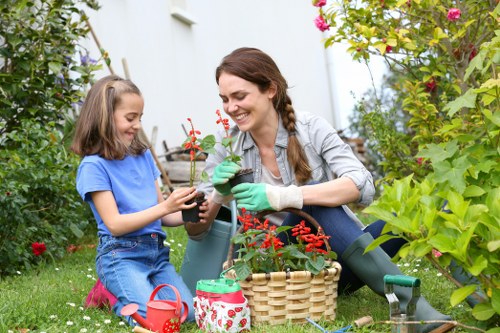 Our Health and Safety Policy for Gardeners Hanwell sets out the standards, responsibilities, and working practices that help keep every gardening task safe, organised, and professional. Whether the work involves routine maintenance, planting, pruning, lawn care, or seasonal clearance, the aim is always to reduce risk and protect the wellbeing of staff, clients, visitors, and the surrounding environment.
This policy applies to all garden services carried out under our name and is designed to support safe decision-making at every stage of the job. It reflects the practical demands of outdoor work, where conditions can change quickly and hazards may be present in soil, tools, weather, access routes, and plant material. By following clear procedures, garden safety remains central to every task.
 Every gardener is expected to work in a way that prioritises caution, competence, and awareness. That means identifying potential hazards before starting work, using equipment correctly, and taking steps to prevent injury or damage. A safe approach is not treated as an extra part of the service; it is part of the service itself.
 All team members must wear suitable personal protective equipment where needed, including gloves, eye protection, sturdy footwear, hearing protection, or high-visibility items when conditions require them. Protective clothing is selected according to the task, and any damaged or unsuitable equipment must be replaced before work continues. Good housekeeping is also essential, with tools stored properly and work areas kept as tidy as practical.
Risk assessment is carried out before and during work, especially where there are uneven surfaces, steep areas, hidden obstacles, sharp tools, power equipment, or slippery ground. Weather conditions are also considered carefully, since rain, frost, wind, and excessive heat can increase the chance of accidents. When conditions become unsafe, work is paused or adapted to ensure a responsible outcome.
Gardeners Hanwell also recognises that different sites require different control measures. For example, manual handling must be managed carefully when lifting bags, pots, stones, or heavy materials. Team members are trained to use safe lifting techniques, split loads where possible, and request assistance for awkward or bulky items. These small measures help reduce strain and prevent avoidable injury.
Tool safety is a major part of this policy. Hand tools, powered machinery, and cutting equipment must be checked before use, operated only by competent staff, and maintained according to the relevant servicing schedule. Blades, cables, fuel, batteries, and moving parts are all treated with care. Equipment that is faulty, damaged, or behaving unusually must be taken out of service immediately.
Plant, chemicals, and waste materials are handled with equal care. Fertilisers, treatments, and any substances used during garden work are stored and applied in line with safety instructions, with attention paid to correct dilution, labelling, and disposal. Safe handling practices help protect people, pets, wildlife, and the wider outdoor space from unnecessary exposure or contamination.
Communication is another important part of safe working. Before starting a task, the team confirms the scope of work, identifies any known hazards, and agrees the safest way to complete the job. Where access is shared with residents, staff, or contractors, clear working boundaries are maintained. This reduces confusion and helps ensure that everyone understands when and where work is taking place.
Emergency preparedness is built into daily practice. First aid supplies are available, and workers are expected to know how to respond to cuts, strains, falls, insect stings, or other common outdoor incidents. In the event of a serious problem, work stops immediately and the appropriate response is followed. Reporting incidents promptly supports learning and helps prevent repetition of similar risks.
Training and supervision are essential to maintaining high standards. New team members receive instruction on safe methods, equipment use, hazard awareness, and the correct response to changing site conditions. Ongoing supervision helps reinforce safe habits and ensures that work is carried out consistently. Where more complex tasks are involved, extra checks may be introduced to maintain control.
 We also expect a strong personal responsibility from everyone involved in the work. Fatigue, rushing, distraction, and poor judgement can all increase risk, so gardeners are encouraged to work at a sensible pace and to speak up if conditions are not suitable for safe completion. A culture of caution is essential for reliable, professional gardening services.
 To support ongoing improvement, this policy is reviewed regularly and updated when work methods, equipment, or recognised risks change. Feedback from inspections, incident reports, and routine observations is used to refine procedures and strengthen prevention measures. The result is a practical, well-managed approach to garden maintenance safety that supports quality work without compromising wellbeing.
In summary, our health and safety approach is based on prevention, preparation, and accountability. By combining risk awareness, proper equipment, careful supervision, and clear working methods, garden safety standards remain central to every project. This ensures that gardening work is carried out responsibly, efficiently, and with due respect for everyone involved.