Gardeners near Hanwell Broadway best local lawn services: a practical guide for a tidier, healthier lawn
If you have been searching for gardeners near Hanwell Broadway best local lawn services, chances are you want a lawn that looks neat without turning weekends into a never-ending chore. Fair enough. A good local lawn service can make the difference between a patchy, tired garden and one that feels calm, cared for, and genuinely welcoming when you step outside with your morning tea.
This guide breaks down what local lawn services actually do, how they work, what to look for, and how to decide whether you need simple mowing, regular maintenance, or a fuller lawn care plan. It is written for real gardens in and around Hanwell Broadway, where spaces can be compact, shaded, windy, or a bit of everything all at once. You will also find practical checklists, a comparison table, and a few smart links to useful pages like lawn mowing services, lawn care support, and garden maintenance.
Why Gardeners near Hanwell Broadway best local lawn services Matters
Hanwell Broadway is the kind of place where a lawn can change the feel of a whole property. A crisp edge, even cut, and healthy colour make a front garden look cared for before anyone even reaches the door. And if the lawn is at the back, it often becomes the family's outdoor room: somewhere for the kids to play, the dog to zoom about, or the barbecue to happen when the weather behaves itself for five minutes.
Local lawn services matter because lawns in London neighbourhoods are rarely simple. You may have tree shade, compacted soil, awkward side returns, or a strip of grass that gets more foot traffic than it ought to. A nearby gardener understands that a one-size-fits-all approach is usually rubbish. What works on a wide sunny lawn near one street may fail completely on a narrow, shaded patch a few doors down.
There is also a trust element. A local team can usually visit more easily, respond quicker, and notice issues before they become expensive. That might be moss creeping in, thinned patches after a dry spell, or turf that is suffering because the mower blades are blunt. Small things, but they add up.
Expert summary: the best local lawn service is not just about cutting grass. It is about timing, mower height, edging, weed control, soil condition, and knowing how Hanwell gardens behave through the seasons.
If you are still building a broader outdoor plan, it may help to look at general gardening services or even a more complete about us page to understand the approach behind the work. That bit matters more than people think.
How Gardeners near Hanwell Broadway best local lawn services Works
In practical terms, a lawn service usually starts with a quick look at the garden and a conversation about what you want. Neat and low-maintenance? Greener and thicker? Better for pets? Easier to manage in winter? The answer changes the plan. Simple as that.
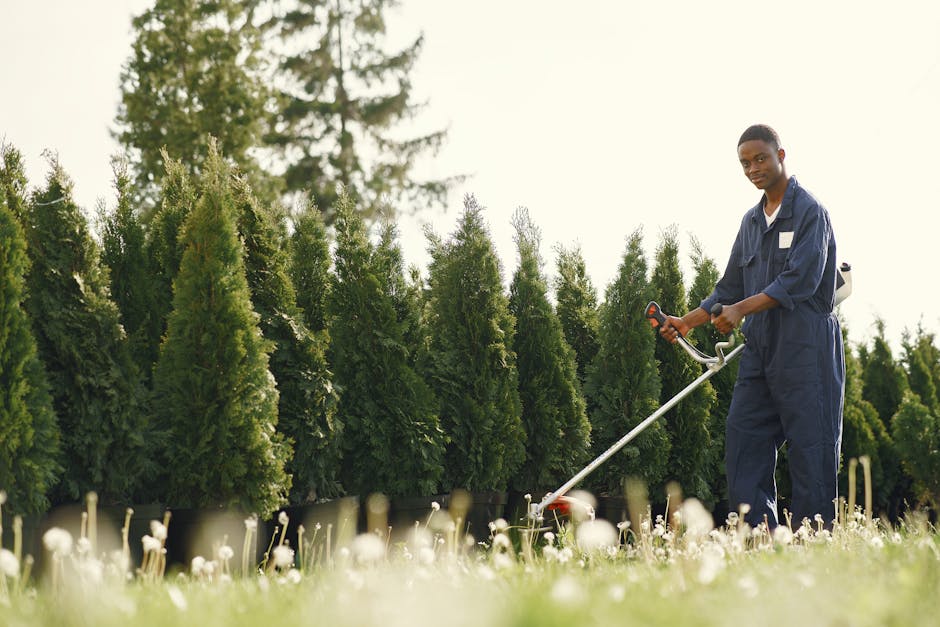
A standard lawn service may include mowing, strimming around edges, crisp finishing on borders, and tidying the cuttings. A more complete lawn care visit can go further: aeration, scarifying, feeding, overseeding, moss reduction, weed control, and advice on watering. If the grass has suffered from neglect, one visit may be about recovery rather than routine upkeep. That is where the difference between mowing and true care becomes obvious.
Local gardeners also tend to work seasonally. In spring, they might focus on recovery and feeding. In summer, they keep the lawn healthy under heat and heavy use. In autumn, they prepare the surface for wetter conditions and leaf fall. In winter, they are often thinking about drainage, compaction, and avoiding damage when the ground is soft. You can see why local knowledge matters.
If your lawn is only part of the problem, a broader maintenance visit can help. For example, overgrown hedges, weedy borders, and a tired patio can drag down the whole garden. It is often smarter to combine tasks through garden maintenance rather than treating each issue separately. Less fuss, better results.
Key Benefits and Practical Advantages
Choosing a reliable local lawn service is about more than convenience, though convenience is lovely. Here is what you typically gain when the job is done properly:
- Better presentation: even mowing, tidy edges, and a lawn that looks cared for rather than rushed.
- Healthier grass: the right cutting height and timing reduce stress on the lawn.
- Less weekend work: more free time, fewer headaches, and no wrestling with a temperamental mower on a Saturday morning.
- Seasonal resilience: a lawn prepared for heat, rain, shade, or wear tends to recover better.
- Problem spotting: moss, thatch, compaction, and pest damage are easier to address early.
- Local familiarity: a gardener who knows the area will usually understand common garden layouts and conditions nearby.
To be fair, not every garden needs a full transformation. Sometimes it just needs regular mowing and a bit of edge discipline. But on many Hanwell Broadway properties, the small extras make all the difference. That sharp line by the path, the lighter feel after a proper cut, the neatness around the fence. Little wins, but they change the whole mood.
For lawns that need more than routine trimming, a proper lawn care service can offer a more thoughtful approach than cut-and-go visits. And if you want the broader picture, the site's pricing and quotes information can help you compare service levels with a clearer head.
Who This Is For and When It Makes Sense
This service makes sense for a few different types of homeowner or landlord. If you are looking at a lawn that gets scruffy within days of mowing, a local professional can help you set up a more realistic routine. If you are juggling work, commuting, family, and the usual London life, outsourcing the lawn is often the sensible choice. Actually, it is the sensible choice more often than people admit.
It is also a good fit if:
- your grass has become patchy, overgrown, or uneven
- you want your front garden to make a better impression
- you are managing a rental property and need reliable upkeep
- your garden has slopes, awkward borders, or tight access
- you prefer predictable maintenance rather than emergency tidying
- you want the lawn to support children, pets, or regular outdoor use
If your garden has other issues alongside the lawn, a wider service can be useful. Weed pressure, overgrown hedges, worn borders, and shady corners often link together. A good gardener sees the whole space, not just the grass. That wider view is sometimes the real value.
And yes, if you are hoping for a miracle on a lawn that has had years of neglect, it may take more than one visit. That is normal. Good lawns are built, not wished into existence.
Step-by-Step Guidance
Here is a practical way to approach hiring and using local lawn services without overcomplicating things.
- Start with the actual problem. Is it height, weeds, moss, thin grass, or simply lack of time? Be specific. "My lawn looks tired" is fair, but "it gets patchy under the tree and muddy near the path" is better.
- Decide what level of help you need. Mowing only? Regular mowing plus edging? A recovery plan with feeding and scarifying? The more honest you are here, the better the result.
- Ask how the lawn will be cut. The right mowing height depends on season, grass type, and condition. Shorter is not always better. People often assume it is, then wonder why the lawn looks scorched.
- Check whether the service includes clean-up. Grass cuttings, side paths, borders, and access points should be left tidy unless agreed otherwise.
- Agree on a schedule. Weekly, fortnightly, or seasonal visits each suit different gardens. There is no magic number.
- Review the result after a few visits. Is the grass improving? Are edges getting sharper? Is moss reducing, or at least not spreading?
That last step gets missed too often. A lawn service should be something you can adjust, not something you endure. If the lawn needs more attention in one season and less in another, say so. Local services are usually much better when they are working with you, not against your routine.
For some gardens, especially those with old turf or compacted ground, it is worth combining mowing with occasional recovery work. If that sounds like your space, reading a transformation-focused piece like from neglect to nurture can help you think in phases rather than panic.
Expert Tips for Better Results
Here are the bits that make a lawn look better without dramatic effort. Small things. Reliable things.
- Keep mower blades sharp. Torn grass looks ragged and loses moisture more easily.
- Vary the mowing pattern occasionally. It helps reduce ruts and compaction.
- Do not cut too much at once. Taking off more than a third of the blade can shock the grass.
- Water less often, but more deeply when needed. Frequent shallow watering can encourage weak roots.
- Feed at the right time of year. Spring and autumn often matter most, but the timing should suit the lawn's condition.
- Watch shaded areas closely. Shade, dampness, and poor airflow often bring moss and thin growth.
A small but useful habit: check the lawn after a mow in different light. Early evening light can reveal uneven patches that are invisible at midday. It sounds a bit fussy, maybe, but it helps. You notice the weak spots sooner, and weak spots are easier to fix early.
If your outdoor space is more complex than a simple rectangle of grass, related services can matter too. A smart combination of landscaping, hedge care, and lawn maintenance often gives a far more balanced result than focusing on the grass alone. Gardens like that breathe better, if that makes sense.
Common Mistakes to Avoid
Most lawn problems come from a few repeated mistakes. Nothing glamorous, just the usual suspects.
- Cutting too short: this weakens the lawn, especially in dry spells.
- Ignoring moss and thatch: if the lawn feels spongy or wet for too long, there may be an underlying issue.
- Using the same routine all year: lawns need different treatment in different seasons.
- Assuming weeds will disappear on their own: they usually do not. Not in any meaningful way, anyway.
- Letting edges go wild: even a decent mow can look untidy if the borders are messy.
- Booking only when the lawn looks bad: reactive care is always harder than steady maintenance.
Another common issue is underestimating the value of access and setup. Narrow side passages, locked gates, and awkward storage arrangements can slow the job down. If you mention those things up front, the visit usually runs more smoothly and the quote tends to be more realistic too.
And a small human point: people sometimes feel embarrassed about how the garden looks. No need. A lot of lawns start from a sorry state after winter or a busy few months. Happens all the time.
Tools, Resources and Recommendations
Good lawn work relies on the right tools, but not every garden needs a heavy-duty machine arsenal. For most local jobs, the essentials are straightforward:
- a well-maintained mower suited to the lawn size
- an edging tool or trimmer for borders and corners
- a rake for collecting clippings or lifting debris
- aeration tools for compacted ground where needed
- feed, seed, and soil improvers selected to match the lawn condition
Some gardens also benefit from extra support around the edges. If weeds are spreading from paths or beds, a targeted plan can help reduce repeated invasion. A useful starting point is the advice in weed suppression tips, which fits neatly alongside regular lawn care.
Other useful topics for lawn owners include seasonal protection, soil improvement, and garden structure. In dry or windy conditions, a lawn can suffer faster than people expect, so it helps to think of the whole garden as a system. For a more balanced outdoor setup, a service such as general gardening services or occasional tree surgery may be relevant if shade, leaf drop, or overhanging branches are affecting the turf.
Law, Compliance, Standards, and Best Practice
For domestic lawn care, there is usually not much legal complexity from the customer's side, but there are still sensible standards to expect. A professional gardener should work safely, use equipment responsibly, and take care not to damage boundaries, paving, or neighbouring property. That sounds obvious, but you would be surprised how much annoyance comes from careless strimming near fences or paths.
If machinery is being used, good practice includes clear handling, safe fuel storage where relevant, and attention to noise and access. For shared spaces or properties with public-facing areas, tidiness matters more than people think. A garden team should leave the site in a reasonably clean and safe condition.
On your side, it helps to mention pet access, children's play areas, fragile ornaments, hidden cables, and any awkward spots before the work begins. Simple communication prevents most problems. The same applies to any safety concerns. If you want to understand the company's approach, health and safety information and insurance and safety details can be useful reading.
If you are comparing providers, you may also want to look at the terms and conditions and payment and security pages. Not exciting, granted. But they tell you how a service is structured and what to expect if you are booking work over several visits.
Options, Methods, or Comparison Table
Not every lawn needs the same level of care. This table gives a simple way to compare common options.
| Service option | Best for | Main benefit | Watch out for |
|---|---|---|---|
| Basic mowing | Low-maintenance lawns that just need regular cutting | Quick, tidy, cost-effective | May not address moss, weeds, or thin patches |
| Mowing plus edging | Front gardens and visible lawns | Sharper appearance and cleaner finish | Still limited if the grass is unhealthy underneath |
| Routine lawn care | Lawns needing feeding, overseeding, or seasonal support | Better long-term condition | Needs consistency, not one-off attention |
| Full garden maintenance | Busy households or gardens needing wider upkeep | One coordinated plan for the whole space | Usually more involved than simple mowing |
For many local gardens, the sweet spot is somewhere between regular mowing and fuller lawn care. If the grass is basically fine but untidy, start light. If it is tired, thin, or suffering from shade and compaction, a broader plan will usually save time and frustration later.
A practical side note: if you already know the garden needs more than lawn work, combine services rather than piecemeal booking. The difference can be surprisingly noticeable.
Case Study or Real-World Example
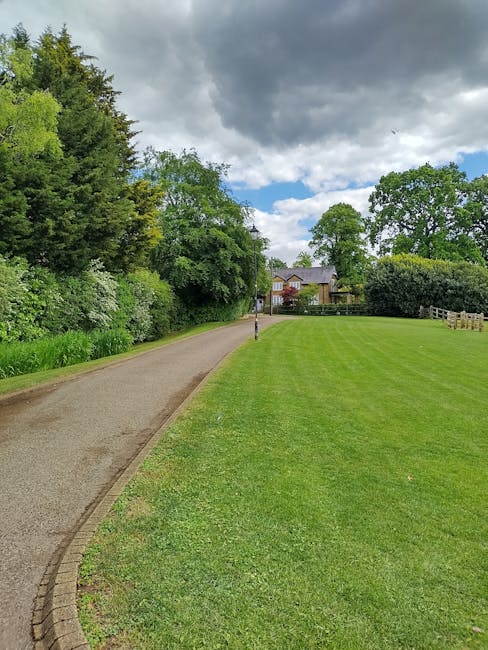
Picture a typical Hanwell Broadway front garden: a modest lawn, a narrow path, one shaded corner, and a couple of borders that keep shedding weeds into the grass. Nothing dramatic. Just the kind of garden that looks fine from a distance but a bit exhausted up close.
In a situation like that, a local gardener might start with mowing, edging, and a general tidy-up. If the lawn is compacted, they could suggest aeration later in the season. If the shaded side is thin and mossy, they may recommend a more suitable cut height, some soil improvement, and perhaps overseeding when conditions are right. Not everything is fixed in one afternoon. And that is okay.
What usually happens after a few visits is simple: the garden starts looking intentional. The path feels cleaner. The edges stop blurring into the borders. The lawn gets a more even tone. You may not even notice the exact moment it improves, which is a funny thing. One day it just does not look tired anymore.
That is the real value of local lawn services. They do not just tidy. They bring the garden back into rhythm.
Practical Checklist
Use this quick checklist before booking or after your first visit.
- Define whether you need mowing, edging, lawn care, or full maintenance
- Note problem areas such as shade, moss, weeds, or thin patches
- Check garden access, gate width, and any awkward storage points
- Ask how often the lawn should be cut during the season
- Confirm whether clippings will be removed or left as mulch
- Discuss pets, play areas, and fragile borders before work begins
- Review the result after a few visits, not just the first one
- Consider whether nearby hedges, borders, or trees also need attention
- Keep an eye on seasonal changes in shade, moisture, and foot traffic
- Ask for a clear quote before committing to ongoing work
If you want a straightforward next step, this is usually it: identify the lawn's main problem, then speak to a local team that can advise on the right level of support. You do not need to know all the technical terms. That is the gardener's job.
Get a free quote today and see how much you can save.
Conclusion
Finding the best local lawn services near Hanwell Broadway is not really about chasing the fanciest offer. It is about getting dependable care from someone who understands local gardens, local weather, and the small everyday frustrations that turn a lawn messy in no time. If you value a neat outdoor space but do not want to spend your life maintaining it, a good local service can be a very sensible investment.
Start with the basics. Be clear about what your lawn needs, ask sensible questions, and look for a service that treats the whole garden as a living space rather than just a patch of grass. If you do that, you will usually end up with a better result and less stress. And honestly, that is what most people want from a garden anyway.
Little by little, a good lawn changes how a home feels. More settled. More cared for. More yours.
Frequently Asked Questions
What do local lawn services near Hanwell Broadway usually include?
They often include mowing, strimming or edging, tidying the cuttings, and basic presentation work. Some providers also offer feeding, aeration, overseeding, moss treatment, and broader lawn care if your grass needs more than a quick cut.
How often should my lawn be mown in London?
It depends on the season, growth rate, and how the garden is used. In active growing periods, lawns may need weekly attention. Slower growth in cooler months usually means less frequent visits. A local gardener can help set a realistic schedule.
Is lawn care better than just mowing?
If the lawn is healthy and only needs regular trimming, mowing may be enough. If it is thin, patchy, mossy, or compacted, lawn care is usually the better choice because it addresses the underlying condition rather than only the surface.
What should I ask before booking a gardener for my lawn?
Ask what is included, how often the lawn should be serviced, whether clippings are removed, and whether any extra work such as feeding or edging is available. It is also sensible to ask about access, pets, and any safety considerations.
Can a local gardener help with a neglected lawn?
Yes. A neglected lawn often needs a staged approach, starting with a tidy-up and then moving into recovery work such as scarifying, overseeding, or soil improvement. It may take more than one visit, but the improvement is usually steady.
What if my lawn has lots of shade?
Shade changes everything. Grass in low-light areas often grows more slowly, becomes thinner, and is more prone to moss. A gardener can adjust the mowing height, improve airflow where possible, and recommend the right maintenance steps for shaded conditions.
Do I need full garden maintenance or just lawn mowing?
If the rest of the garden is tidy and the only issue is the grass, mowing may be enough. If weeds, hedges, borders, or trees are also affecting the look and health of the space, full garden maintenance may deliver better value and a more balanced result.
How do I know if my lawn needs aeration?
Signs can include water sitting on the surface, soil that feels hard underfoot, and grass that struggles even after mowing and feeding. Aeration helps reduce compaction so air, water, and nutrients can reach the roots more easily.
Are local lawn services useful for rental properties?
Very much so. Regular lawn care keeps a rental property presentable and reduces last-minute panic before new tenants move in or inspections happen. It also helps the outdoor space stay usable rather than drifting into neglect.
What should a professional lawn finish look like?
A good finish should be even, clean along the edges, and free from obvious clumps or messy cuttings. The lawn should look cared for, not scalped. If it looks stressed straight after a cut, the height or method may need adjusting.
Can lawn care be combined with other gardening work?
Yes, and often that is the smartest way to handle it. Combining lawn care with hedge work, border tidy-ups, or wider garden maintenance makes the whole space feel more coherent and can save repeat visits. A bit more joined-up, less faff.
How do I get started if I am not sure what I need?
Start by describing the lawn's condition and what bothers you most. Then ask for advice on whether mowing alone is enough or whether a more complete treatment would be better. If needed, begin with a simple visit and build from there.