Real cost of gardeners in Hanwell what to expect
If you are trying to work out the real cost of gardeners in Hanwell what to expect, you are not alone. Most people start with a simple question and quickly discover the answer depends on the job, the size of the garden, how overgrown things are, and whether you need one-off help or regular maintenance. A tidy front border is a very different job from clearing a neglected back garden after winter, and the price reflects that. This guide breaks it all down in plain English so you can budget properly, compare quotes sensibly, and avoid the usual surprises.
Truth be told, gardening quotes can look confusing at first glance. One company may quote for labour only, another may include waste removal, and a third may bundle in specialist equipment. So rather than chasing a single "average" number, it helps to understand what you are actually paying for. That is where this article comes in.
Why real garden costs in Hanwell matter
Garden work is one of those services where the cheapest option is not always the cheapest in practice. If a quote is unrealistically low, it can mean rushed work, limited time on site, or extra charges later on. On the other hand, a higher quote may be perfectly fair if it includes clearance, disposal, specialist pruning, or a two-person team that can finish the job safely and properly.
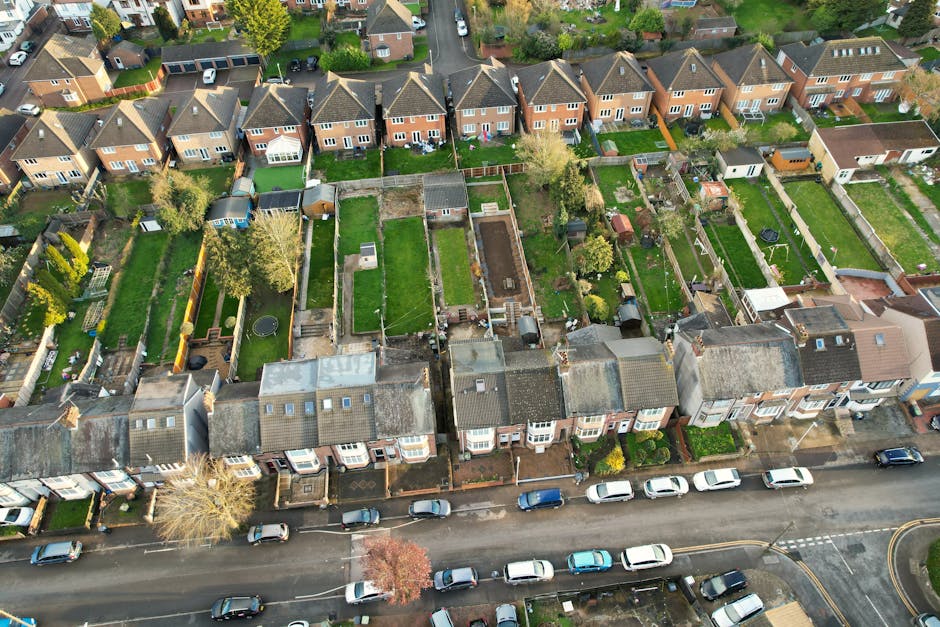
For Hanwell homeowners, cost matters for another reason too: gardens here tend to be a mix of compact urban plots, family gardens, and older properties with mature planting. That variety changes the price. A small courtyard might only need light weeding and a quick tidy-up, while a larger plot with hedges, borders, lawn care, and ivy removal can need a proper half-day or full-day visit. You feel the difference immediately when a gardener turns up and starts working through it all in the fresh air on a damp Tuesday morning.
Understanding pricing also helps you choose the right service. A one-off rescue job is not the same as ongoing upkeep. If you know the likely cost structure, you can decide whether to book a regular visit, a seasonal tidy, or a larger transformation project. For many readers, that is the real win: less guesswork, more control.
If you want a broader look at what a gardening company can handle, the main gardening services page is useful alongside this guide, especially when you are comparing one-off work with ongoing care.
How real gardener pricing usually works
Most local garden quotes are built from a few core ingredients: time, labour, equipment, access, waste, and the complexity of the task. That sounds simple, but in real life each one has a knock-on effect.
1. Time on site. The longer the job takes, the more it usually costs. A tidy front garden may take under an hour. Clearing a full garden after months of neglect can take much longer than people expect.
2. Labour type. Some jobs need one gardener, others need a small team. Hedge trimming, heavy clearance, or large-scale landscaping often require more hands, and that changes the quote.
3. Equipment needed. A basic visit may only involve hand tools and a mower. More demanding work can involve hedge trimmers, ladders, stump equipment, or specialist machinery. Equipment use is not just about convenience; it also affects safety and efficiency.
4. Waste removal. Green waste can add a meaningful amount to a quote if cuttings, branches, soil, or old planting need to be taken away. People often forget this part, then wonder why the total is higher than expected. It is a classic little surprise.
5. Access and logistics. Narrow side access, limited parking, awkward steps, or a garden that can only be reached through the house can all affect time and effort. In Hanwell, that is not unusual, especially with terraced properties or long rear gardens.
6. Risk and skill. Jobs involving tree work, tall hedges, heavy overgrowth, or awkward slopes require more experience and a more careful approach. You are paying for judgement as well as labour.
For example, a recurring maintenance visit may include edging, mowing, weeding, and light pruning. A one-off restoration visit may involve clearing debris, cutting back overgrowth, treating stubborn weeds, and resetting borders. Both count as garden work, but they are priced very differently because the workload is different.
If your garden needs more than routine care, it can help to compare it with the support offered through garden maintenance and the more project-led approach in landscaping.
Key benefits and practical advantages
The obvious benefit is time back in your week. But there is more to it than that.
- A tidier outdoor space: A well-kept garden simply feels better to live with. You notice it when you open the back door and see a clear, calm space instead of a job list.
- Better plant health: Regular pruning, feeding, and soil care can reduce stress on plants and help them recover more quickly from bad weather.
- Fewer expensive problems later: Small issues like invasive weeds, unchecked ivy, or overgrown hedges get more expensive if left too long.
- Safer access: Overgrown paths, unstable branches, and slippery patio edges can become a nuisance or a risk.
- Better budgeting: Once you understand the cost of each type of work, you can plan seasonal jobs instead of reacting in panic mode every few months.
There is also a psychological benefit people tend to underestimate. A garden that looks cared for makes the whole property feel more settled. Not show-home perfect, just looked after. That matters if you are selling, renting out, welcoming guests, or simply trying to enjoy your own space more.
For budget-friendly ideas that stretch your money a little further, the guide on budget-conscious garden ideas is a good companion read. And if weeds are part of the problem, the article on superior weed suppression is worth a look.
Who this is for and when it makes sense
This topic is relevant to a fairly wide group of people, not just busy homeowners. In our experience, the main groups are:
- Homeowners with limited time: You want the garden to look good without giving up your Saturday.
- Landlords and property managers: Outdoor presentation matters, and recurring maintenance can protect long-term value.
- Older residents: Physical tasks like hedge cutting, lifting bags, or prolonged bending become less appealing, and fair enough too.
- Families: Safety and usability often matter more than decorative perfection.
- People recovering a neglected garden: A one-off reset often saves a lot of frustration compared with trying to do everything yourself.
- New gardeners: You may know what you want but not yet know how much the work should cost or what a fair quote looks like.
It also makes sense if you have specialist needs. For example, if ivy is taking over a wall, the costs and techniques are very different from a simple grass cut. If the weather has battered your borders, or you need a more sheltered layout, pricing depends on the extra work involved. A bit like ordering a coffee and accidentally asking for five extras. The final total changes quickly.
If your concern is overgrowth, it may be worth reading about ivy removal before you ask for quotes, because invasive growth often affects both time and disposal costs. For hedge-focused work, the dedicated hedge trimming Hanwell page gives a helpful service-specific angle.
Step-by-step guidance
If you want a realistic quote and fewer surprises, use a simple process.
- List the tasks clearly. Separate mowing, hedge cutting, weeding, clearance, pruning, patio work, and any extra labour. One lumped-up request makes it harder to compare pricing.
- Measure the garden roughly. You do not need architectural drawings. Just know whether you are dealing with a small, medium, or large space. Even rough dimensions help.
- Note access issues. Mention narrow gates, no side access, steps, or shared entry points. These details change how long the team needs on site.
- Say whether waste needs removing. This is one of the most common hidden cost items, so do not leave it vague.
- Ask whether the price is labour only or fully inclusive. That distinction matters more than many people think.
- Request a written quote. It makes it much easier to compare services and avoid misunderstandings later.
- Check whether the job is one-off or recurring. Regular maintenance is often priced differently from a standalone rescue visit.
- Confirm the timing. A quick job in peak season may not be possible immediately. If you need a specific date, say so early.
One practical tip: take a few photos before requesting a quote. A couple of clear shots of the lawn, borders, hedges, and the worst problem areas can save a lot of back-and-forth. Not glamorous, but very effective.
If you are comparing broader service options, the pages for lawn mowing and lawn care can help you separate basic cutting from more complete lawn treatment.
Expert tips for better results
Here is where the real savings tend to happen. Not by chasing the lowest number, but by making the job easier to price accurately.
- Bundle similar jobs together. If the gardener is already on site, it often makes sense to combine weeding, trimming, and a tidy-up rather than booking separate visits.
- Keep on top of seasonal work. A small, regular investment usually costs less than a huge end-of-winter clear-up.
- Use the right service for the right job. Patio cleaning, decking care, and tree work are specialist tasks, not generic add-ons.
- Be honest about the condition of the garden. A "small tidy" that is actually a jungle leads to friction. Nobody wins there.
- Choose clear communication over vague promises. Ask what will be done, what will not be done, and what is excluded.
- Plan around weather. Wet ground, strong winds, or frost can affect how safe or efficient a visit is. London weather does enjoy timing things awkwardly.
For healthier, longer-lasting results, the article on soil enrichment through organic waste is useful if your beds look tired. If your garden needs a rethink for limited space, vertical gardening solutions can also help you decide where your money is best spent.
Expert summary: The cheapest quote is only a bargain if the job is done properly, waste is handled clearly, and the outcome lasts long enough to matter.
Common mistakes to avoid
People usually do not get garden pricing wrong because they are careless. They get it wrong because the work sounds simple until it is underway.
- Assuming every gardener prices the same way. Some quote by the hour, some by the job, and some by a mix of both.
- Forgetting waste disposal. Cuttings, branches, and soil can make a noticeable difference to the total.
- Not mentioning overgrowth. A garden that has been left for months usually takes more work than a quick tidy.
- Ignoring access issues. Carrying equipment through a property or around a difficult corner adds time.
- Mixing maintenance with improvement work. Regular upkeep and transformation projects should usually be quoted separately.
- Going by headline price alone. A cheap number with vague wording can end up costing more once extras appear.
A smaller but common mistake is not asking what "included" actually means. Does hedge trimming include shaping? Does lawn mowing include edging? Does clearance include bagging and removal? These are small questions, but they make a big difference. Really.
If you are planning a larger tidy-up after a long break, the article from neglect to nurture is a useful mindset check before you request quotes.
Tools, resources and recommendations
You do not need fancy kit to request a good quote, but a few basics help.
- Photos: Wide shots and close-ups of problem areas.
- Simple measurements: Approximate lawn size, hedge height, or border length.
- A written task list: Keep it short and specific.
- A note on access: Gate width, parking, shared entry, or rear access.
- Your timing preference: One-off, weekly, fortnightly, monthly, or seasonal.
When it comes to preparing for a visit, the article on vital gardening gear offers a practical sense of the tools professionals often rely on. For a more design-led angle, garden seating ideas can help you think about what should stay, what should move, and what might be part of a wider refresh.
If your garden has pets or children, those considerations matter too. A safe layout and sensible plant choices can shape the kind of work required, especially when paths, lawns, or planting beds need to be made more practical. For that, the guide on gardening with dogs is surprisingly useful.
Law, compliance and best practice
For most domestic gardening jobs, the main concern is not heavy regulation; it is sensible working practice. Still, a reputable gardener should be mindful of safety, liability, and proper waste handling. If a task involves ladders, power tools, tree work, or awkward lifting, best practice matters a lot.
In the UK, professional garden work should be carried out with care for health and safety, especially where tools, machinery, or working at height are involved. Waste should be handled responsibly, and customers should be clear on what is being removed and what is being left behind. If a company explains these points openly, that is a good sign. It usually means they have thought the job through properly.
You should also expect transparent terms. That means knowing how quotes are handled, what payment methods are accepted, and what happens if weather or access issues cause a delay. The pages on health and safety policy, payment and security, and terms and conditions are exactly the kind of trust signals that help a reader feel confident before booking.
For added reassurance, it can also be useful to see how a company handles a complaint or service issue. Nobody expects problems, but clear procedures matter if something does not go quite right. That is just sensible.
Options, methods, or comparison table
Different kinds of garden work suit different budgets. The table below gives a practical comparison of common service types and what tends to affect their cost the most.
| Service type | Typical cost drivers | Best for | What to watch for |
|---|---|---|---|
| Routine garden maintenance | Time, frequency, light materials | Ongoing tidy gardens | Make sure tasks are clearly listed |
| Lawn mowing and care | Lawn size, condition, edging, treatments | Keeping grass neat and healthy | Ask whether edging and clippings are included |
| Hedge trimming | Height, length, access, waste removal | Overgrown or formal hedges | Tall or awkward hedges may need specialist equipment |
| Patio cleaning | Surface type, staining, size, machinery | Slippery or tired hard landscaping | Check whether re-sanding or sealing is extra |
| Tree surgery | Risk, tree size, access, disposal | Branches, safety, mature trees | Should be priced cautiously and professionally |
| Landscaping | Materials, labour, design complexity | Wider garden changes | Often needs a separate, more detailed quote |
As a rough way of thinking about it, maintenance is about keeping control, while landscaping is about changing the space. That distinction helps people budget more realistically. If you want a service-specific entry point, the pages on patio cleaning, tree surgery, and fencing are useful comparison points.
Case study or real-world example
Consider a fairly typical Hanwell situation. A family has a medium-sized rear garden that looked fine in spring, then quietly got away from them through summer. The lawn is patchy, the hedge has run a bit wild, weeds are pushing through the borders, and there is a pile of cuttings from a half-finished DIY tidy-up. Nothing dramatic. Just a garden that has slipped.
They ask for a quote and give a broad description only. The first estimate seems higher than expected. After a more detailed look, the gardener explains why: the hedge needs careful trimming, the clippings need removing, the lawn needs more than a quick pass, and the borders need a proper weed clear. Once the task is broken down, the price suddenly makes sense. Not because it is cheap, but because it is honest.
That is usually the turning point. Once the work is clearly defined, the quote stops feeling like a mystery and starts feeling like a plan. The family can decide what to do now and what to leave for later. Maybe they book the core work first, then return in a month or two for a lighter maintenance visit. Sensible, really.
For gardens that need a little extra design thinking after the basics are sorted, the article on privacy hedges and the one on ground covers can help shape the next stage.
Practical checklist
Use this checklist before you request quotes. It keeps things calm and clear.
- List every task you want done.
- Separate must-haves from nice-to-haves.
- Take clear photos of the garden and problem areas.
- Note access issues and parking constraints.
- Confirm whether waste removal is needed.
- Ask for the quote in writing.
- Check if the price is hourly or fixed.
- Find out what happens if the weather changes.
- Ask whether tools and fuel are included.
- Clarify any specialist work such as trees, hedges, or patio cleaning.
- Compare like for like.
- Decide whether you want one-off help or ongoing care.
If you are ready to move from planning to action, the most straightforward next step is to review the service details on pricing and quotes and then book a conversation through contact.
Conclusion
The real cost of gardeners in Hanwell what to expect is not just a number on a page. It is a mix of time, labour, garden condition, access, waste removal, and the level of expertise your job actually needs. Once you understand those pieces, quotes become much easier to judge. You can tell the difference between a fair price, a vague estimate, and a number that sounds nice but may not hold up once the work begins.
The best approach is simple: describe the job clearly, ask what is included, compare quotes on the same basis, and choose the gardener who is transparent as well as capable. That usually saves money in the long run, and it certainly saves stress.
Get a free quote today and see how much you can save.
And if all you do next is make a proper list of what your garden really needs, that is already a good start. Sometimes the smallest bit of clarity is what turns a messy outdoor space into something you can genuinely enjoy again.
Frequently Asked Questions
How much do gardeners in Hanwell usually charge?
It depends on the job, the size of the garden, and whether waste removal or specialist equipment is needed. Routine maintenance is usually priced differently from one-off clearance or landscaping work.
Why do gardening quotes vary so much?
Because gardens are not all the same. Access, overgrowth, hedge height, lawn condition, and disposal needs all affect how long the job will take and how much labour it requires.
Is a fixed quote better than an hourly rate?
Neither is automatically better. A fixed quote gives certainty, while an hourly rate can suit smaller or less defined jobs. What matters most is that the pricing method is explained clearly.
Do I have to pay extra for waste removal?
Often, yes. Some quotes include it and some do not. Always ask whether cuttings, branches, and bagged waste are part of the price.
What should I tell a gardener before they quote?
Give them a clear description of the tasks, the garden size, the condition of the space, and any access problems. Photos help too, especially if the garden has overgrown areas.
Is regular garden maintenance cheaper than one-off visits?
Usually, yes over time. Regular work is easier to manage and often prevents bigger, more expensive clearance jobs later on.
Are hedge trimming and lawn mowing priced separately?
They often are. Each task takes different time, tools, and skill. A gardener may combine them in one visit, but the quote should still show what is being done.
What if my garden has been neglected for months?
Then expect a higher price than a simple tidy-up. Neglected gardens normally need more labour, more clearance, and more waste handling than people first assume.
Can I save money by doing some of the prep myself?
Yes. Clearing loose rubbish, moving garden furniture, and giving the gardener easy access can reduce time on site. Just do not take on anything unsafe or heavy.
Do gardeners need to follow health and safety best practice?
Yes, especially when using power tools, working at height, or handling heavy materials. A professional approach should always include safe working methods and sensible risk awareness.
What is the difference between garden maintenance and landscaping?
Maintenance keeps a garden tidy and healthy. Landscaping changes the structure or layout of the space. They overlap a little, but they are very different kinds of work.
How do I know if a quote is fair?
Compare it with the work being offered, not just the headline number. A fair quote is clear about tasks, waste, timing, and any extra charges. If it is vague, that is a warning sign.
Should I book tree work with a general gardener?
Only if they are qualified and equipped for it. Tree surgery can involve extra risk and should be treated as a specialist task.
What is the smartest first step if I want to get started?
Make a simple list of what needs doing, take a few photos, and ask for a written quote. Clear information usually leads to a clearer price, which is exactly what you want.